
Podcast: Play in new window | Download
What does it truly mean to see—and how close are we to restoring sight for those who have lost it?
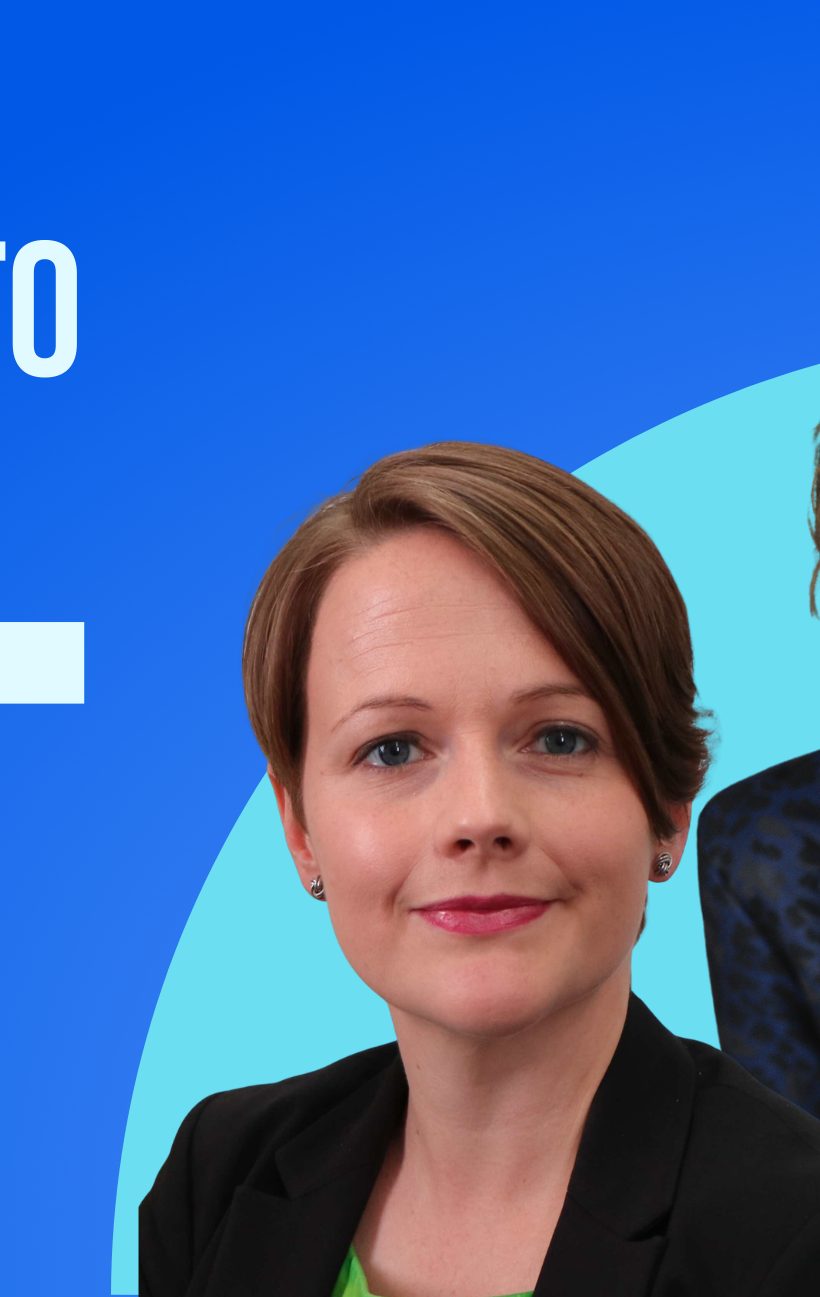
Dr. Lauren Ayton shares her journey at the frontier of vision restoration, from leading Australia’s first bionic eye trial to navigating the ethical, scientific, and personal dimensions of bringing sight back.
Topics covered:
- The meaning of “seeing” and how the brain constructs vision
- Personal motivations behind vision restoration research
- The evolution of bionic eyes and retinal implants
- From basic science to technological intervention in vision
- Ethical dilemmas in emerging vision restoration technologies
- Patient experiences regaining sight and decision-making in trials
- Challenges of public perception vs. scientific reality
- Incremental innovation vs. paradigm shifts in medical science
- Importance of access, equity, and foundational care
- Designing technology for real human needs and capabilities
Connect with Dr. Lauren Ayton
LinkedIn
Centre for Eye Research Australia
Episode Chapters:
00:00 – Introduction: What does it mean to see?
01:45 – Dr. Lauren Ayton’s personal journey and driving questions
03:35 – Career: Academia, startup life, and innovation in vision science
05:27 – The complexity and subjectivity of vision
07:08 – What happens when vision is restored? Patient experiences
08:52 – Scientific breakthroughs that made sight restoration imaginable
10:37 – The science behind bionic eyes, retinal implants, and gene therapy
12:30 – Suprachoroidal approach in Australia’s first in-human bionic eye trial
13:59 – Ethics of risk, hope, and consent in experimental medicine
15:56 – Supporting patients through uncertainty and high-stakes decisions
17:26 – Managing expectations: Public perception vs. current scientific reality
20:08 – Incremental change, paradigm shifts, and multidisciplinary collaboration
22:00 – Translation: From brilliant ideas to real-world impact
24:06 – Access, equity, and the bigger picture of vision care
25:48 – Human-driven innovation: Designing for dignity, capability, and real needs
27:30 – Lessons from vision science about clarity, perception, and what we miss
28:52 – The future: What’s possible in 10–20 years of vision restoration
30:19 – Ethical reminders for the path ahead
31:44 – Dr. Lauren Ayton’s takeaways: Centering humans and aiming high
32:57 – How to support or get involved in vision research
33:45 – What’s keeping Dr. Lauren Ayton hopeful
34:46 – Closing and credits